Transforming Project Practice (SKword)
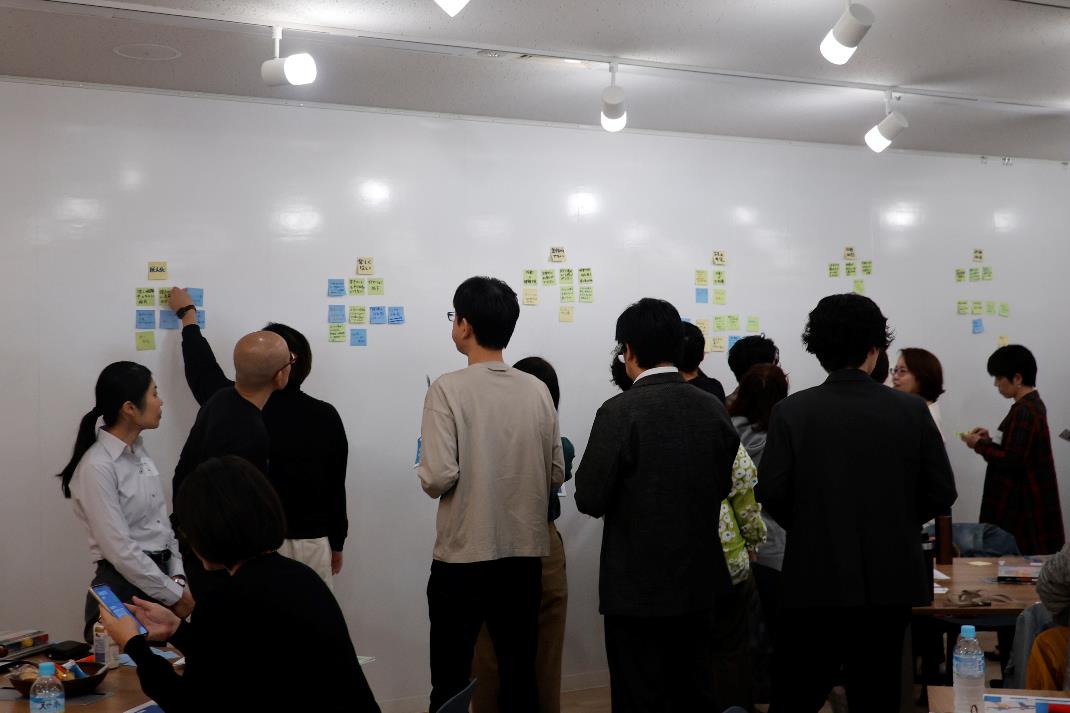
Worked with a digital creative agency to redesign fragmented project delivery processes into shared, cross-team project practices.
Practice Design · Research · Project Management
Hello! I’m a Practice Designer working as a project manager with COPILOT Inc., Tokyo and a PhD Candidate at the University of Tokyo. I give lectures, talks, and help teams solve their problems.
I’m currently based between Glasgow and Tokyo.
These are the keywords that I am interested in:
Project as practice, Agile, Open Source Software, Symbiosis, Autopoiesis, Post-Human, New Materialism, Object Oriented Ontology, Theory of Constraints, Design Theory, Visual Thinking Strategy, Science & Technology Studies, Collective Intelligence, Embodied Learning, Plasticity, Improv, Ludology.
If your work isn't working, count me in!
I help teams reshape their practice while pulling things off together.
Projects Talks & Teachings R&D ↗My research draws on practice theory, systems theory, and new materialist thinking to explore the potential of projects.
I am particularly interested in how project artefacts and practices function as unit operations that carry different ontologies across contexts.
Academic Works Project Theory Probe ↗Both my work and research take root in the same question: So what is a project, anyway?
We all believe we know what a project is, until we try to explain it without relying on managerial terms.
I will not unpack this illusion fully here, but it is worth noticing how quickly our language defaults to management concepts. Words like goal, deadline, and teams do not explain what project is. They just reflect how we want to manage it.
Even abandoning managerial terms does not mean we escape their logic. It often reappears through other concepts we take for granted. When projects stall, we turn to will as an explanation. Hannah Arendt offers a useful pause here.
...the faculty of the Will was unknown to Greek antiquity and was discovered as a result of experiences about which we hear next to nothing before the first century of the Christian era.
Arendt reminds us that the concept of will is historically produced, not a timeless human faculty.
As such, management science is full of concepts that feel self-evident and thereby dull our awareness of what is actually happening. This is why we need to draw upon philosophy and sociology to articulate what project is.
There is simply so much we don't know about how collective action comes together. As Michael Tomasello writes:
Humans putting their heads together in shared cooperative activities are thus the originators of human culture. How and why all of this arose in human evolution is unknown, but one speculation is that in the context of foraging for food (both hunting and gathering), humans were forced to become cooperators in a way that other primates were not.
Here, a leading researcher on collaboration admits that we still do not know why humans became collaborative. Yet as practitioners, we often speak and act with confidence about what collaboration is and how to make it happen. If Tomasello can humbly hold uncertainty, why can’t we?
I deliberately work as both a practitioner and a researcher, seeking to articulate what practitioners already sense but cannot name.
Project Theory Probe ↗
Worked with a digital creative agency to redesign fragmented project delivery processes into shared, cross-team project practices.

Supported the development and launch of the new product development while building team practices and facilitating design thinking workshops .
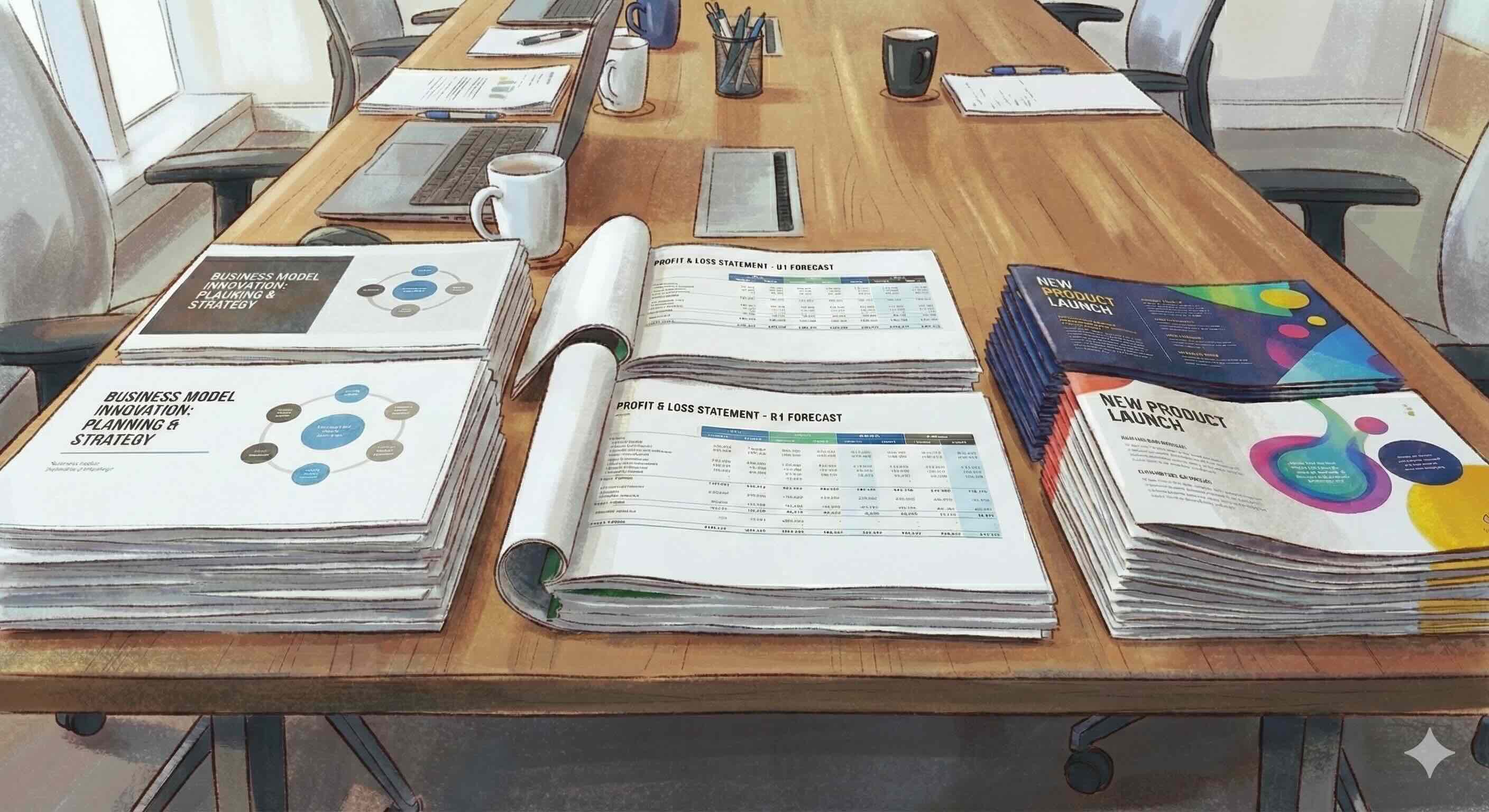
Designed, planned and executed on developing and testing (PoC) a new business through bridging new and traditional departments within the company.
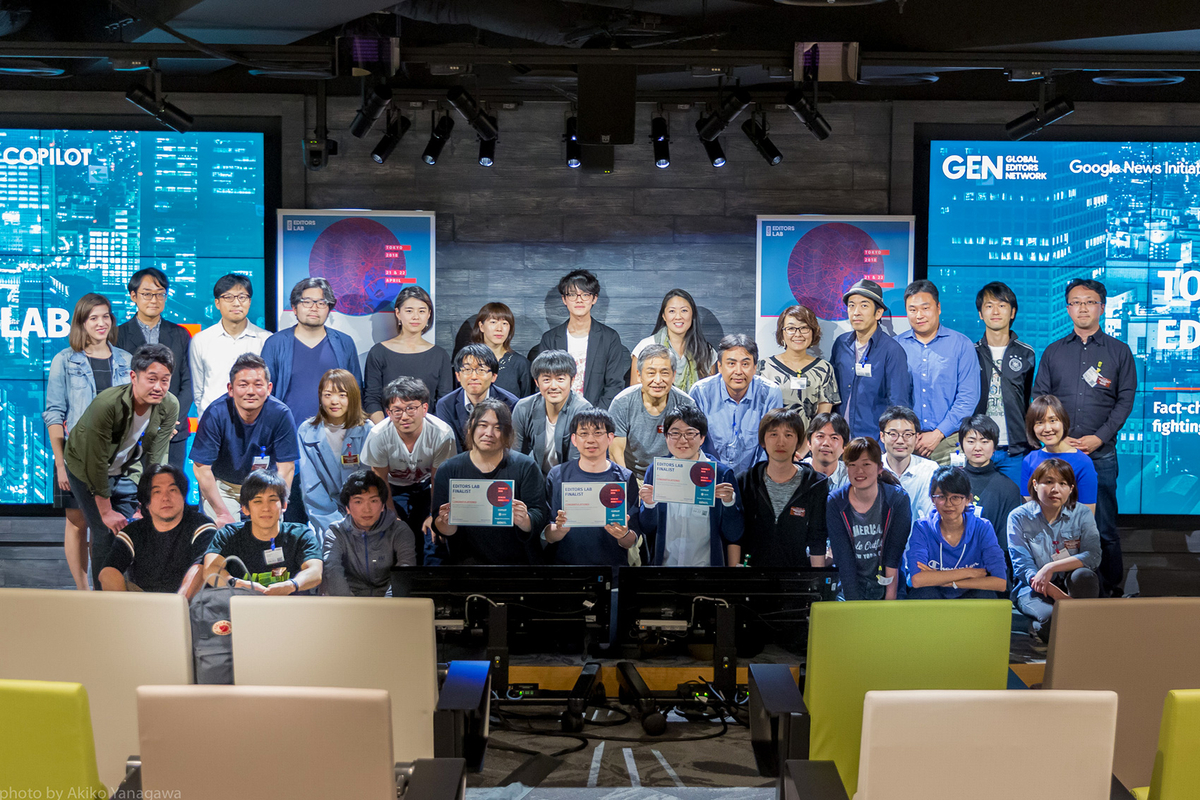
Planned and managed project of launching a first hackathon for journalist and engineers by facilitating team across the boarder.
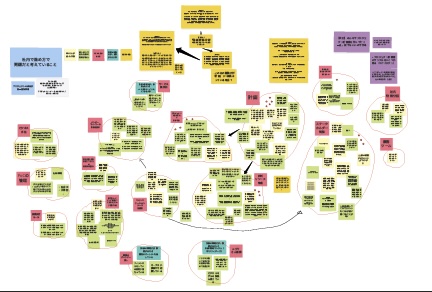
Bridged the project between AI engineers, medical experts, municipalities and consultants by transforming their project practice.
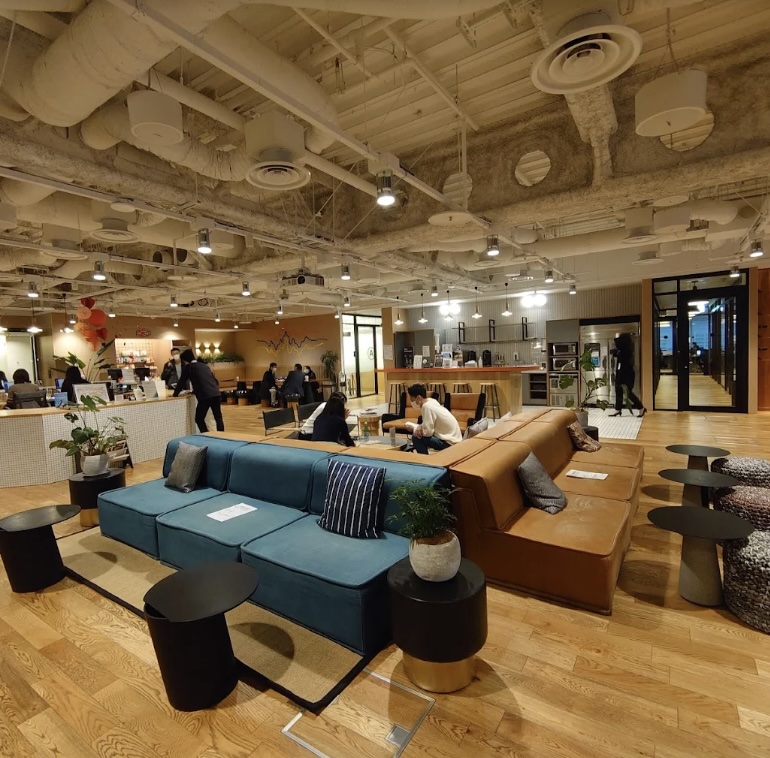
Supported consultants to build an effective team as a Tokyo office by facilitating them improve their practices during their market entries.
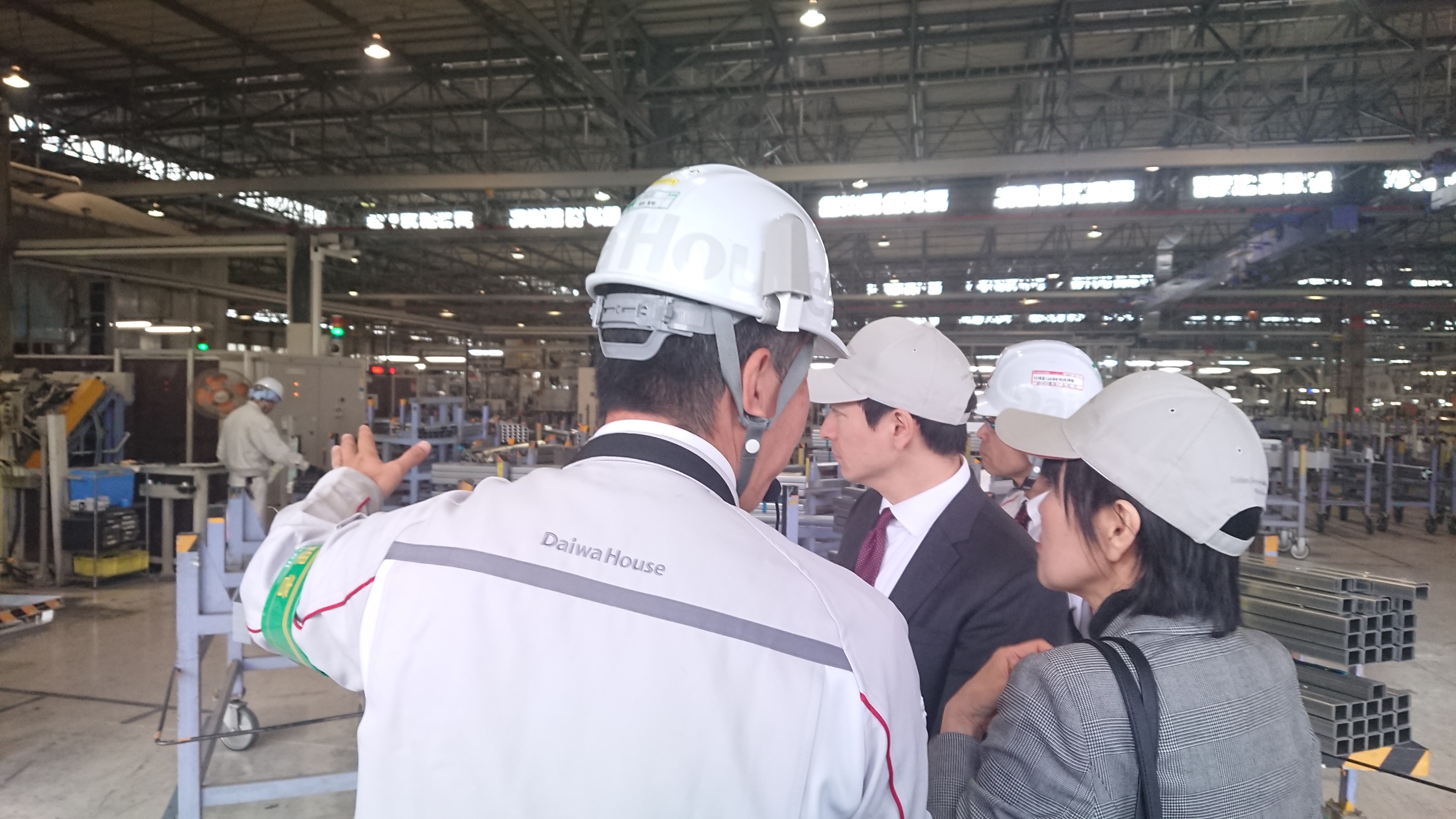
As the sole Japan counterpart, designed and hosted USA fellowship programs, helping each fellow build networks with key industry figures through 20–40 meetings.
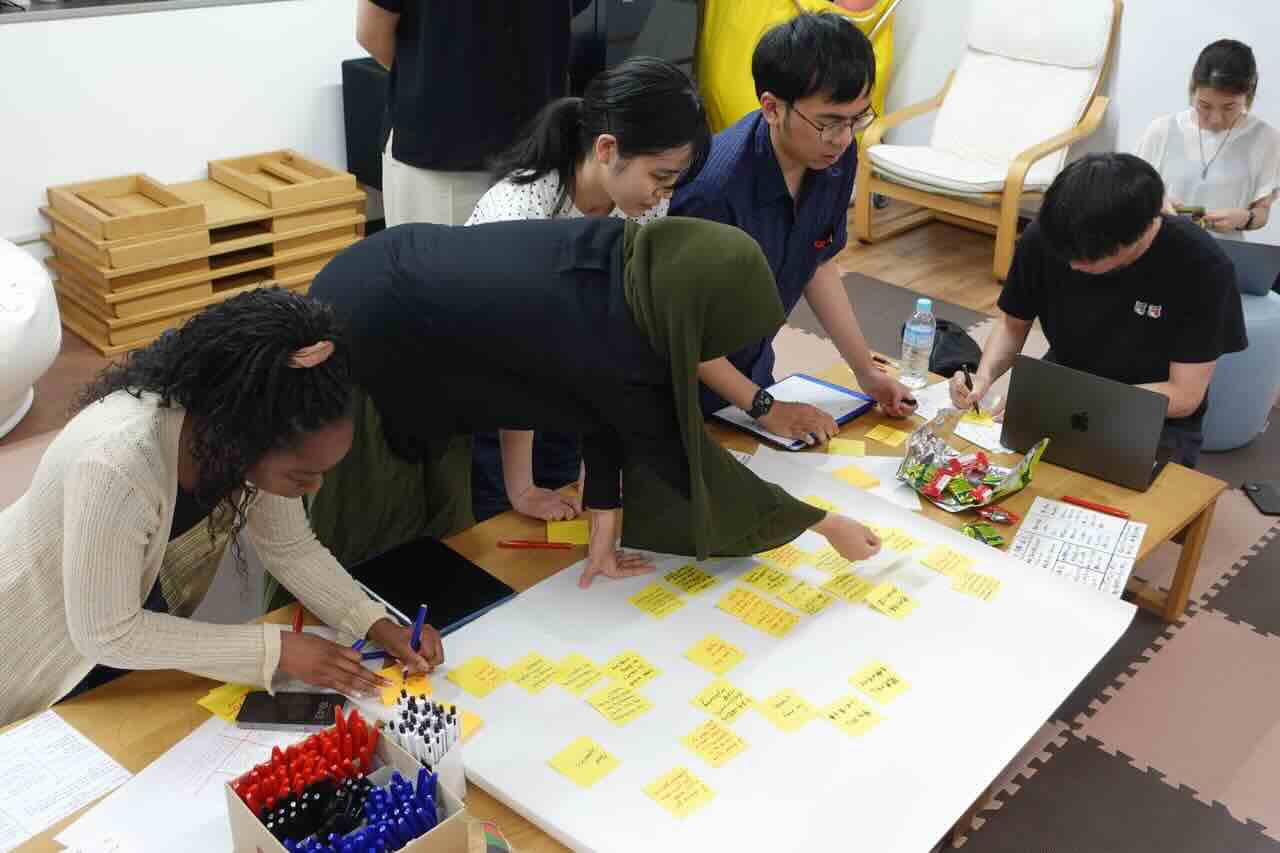
Mentored students transform individual research efforts into collective project practices through series of workshops, dialogues and reflections.
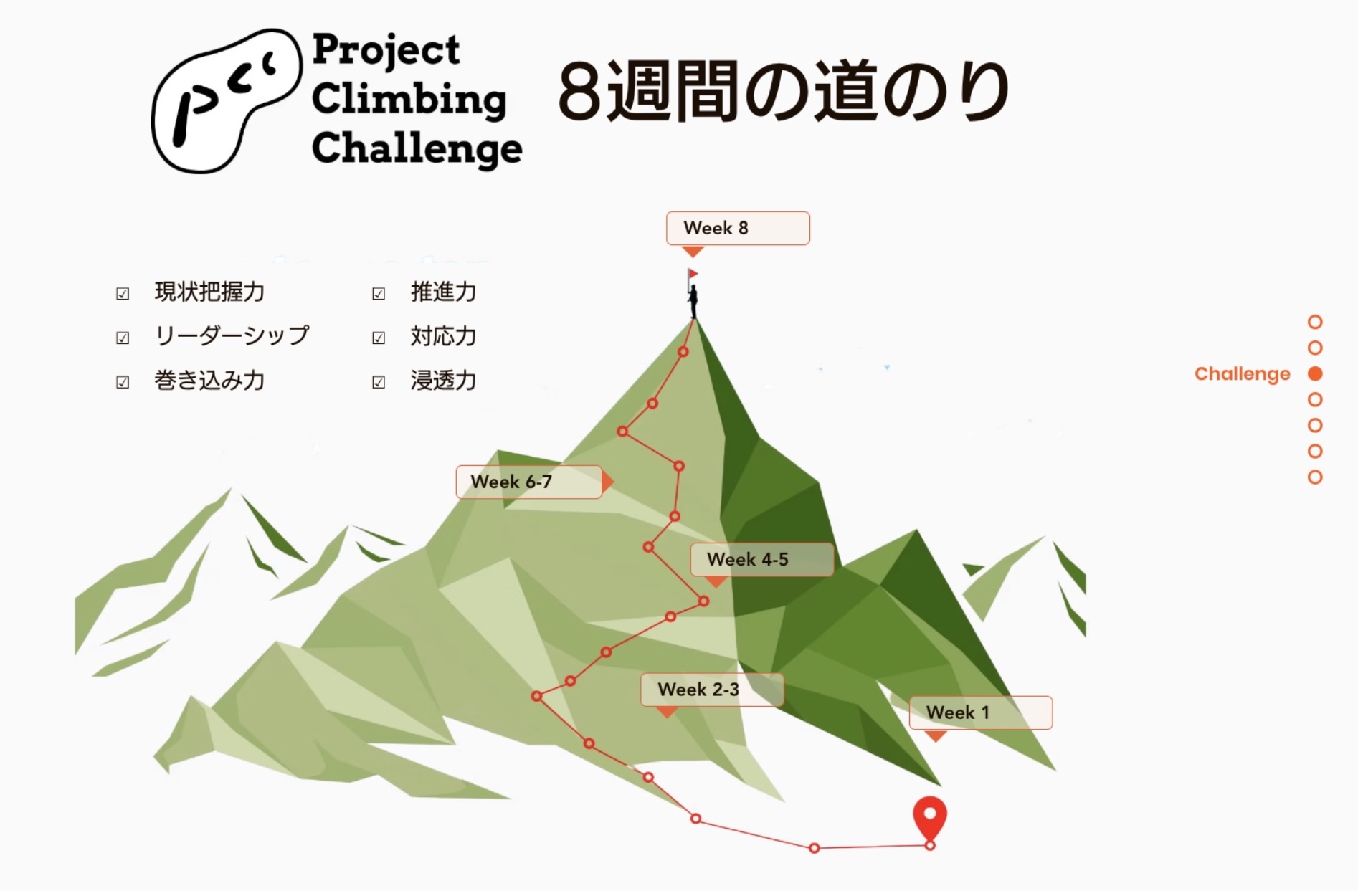
Supported professionals across industries in developing autonomous project practice by inducing paradigm shifts through teaching, dialogues, workshops and practices.
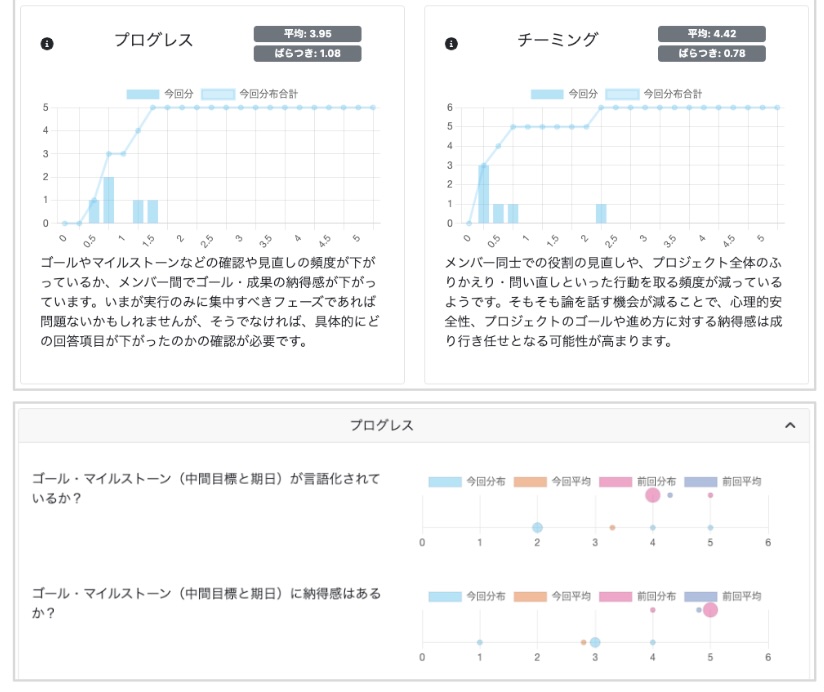
Prototyped with an engineer a project assessment tool that enable team to discuss hidden misalignment on expectations and assumptions.
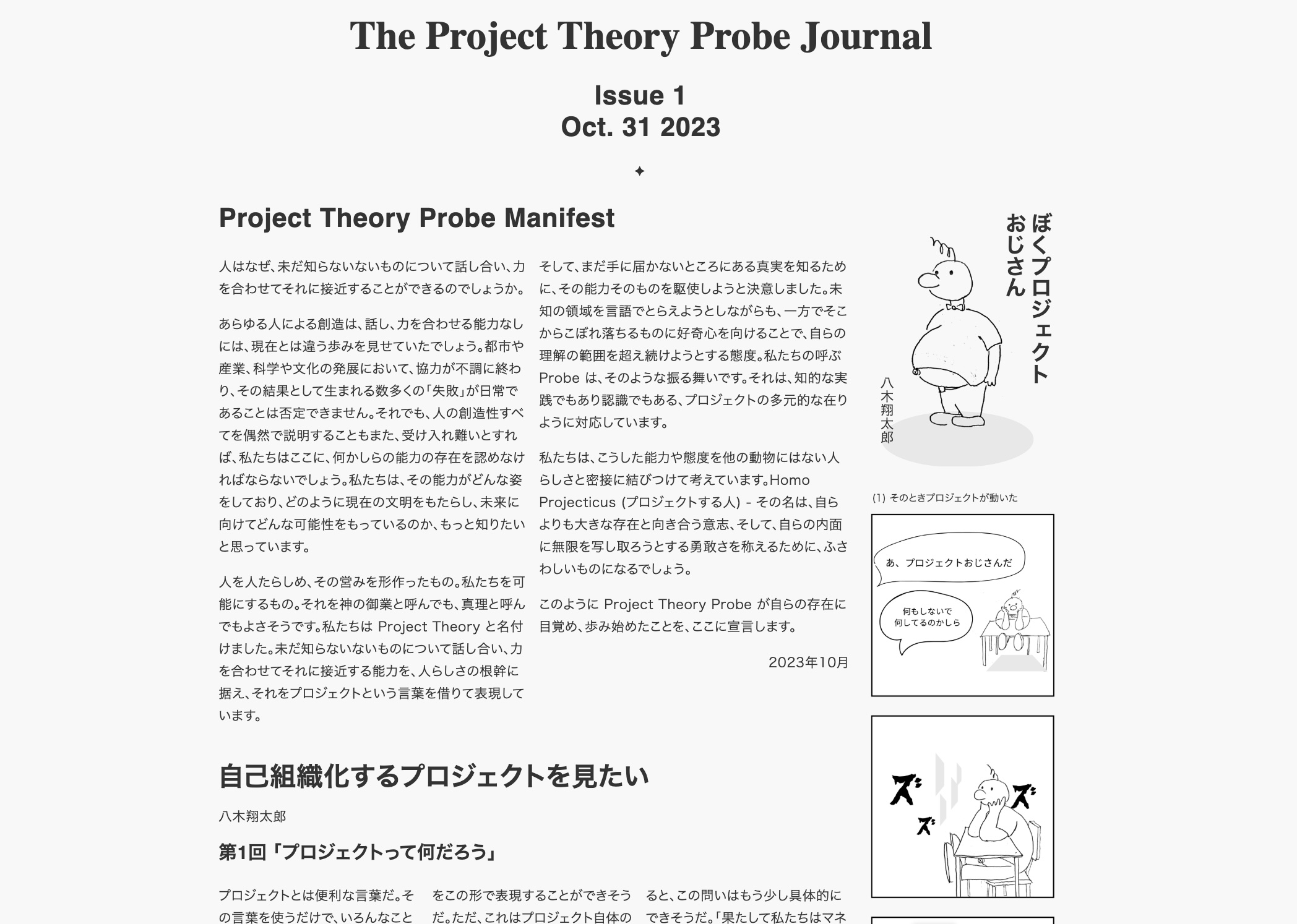
Planned and launched an open journal to explore the nature of project by connecting practitioners and researchers through experimentation and reflection.

